Is the ECO-WORTHY Solar Inverter Really as Good as Everyone Says?
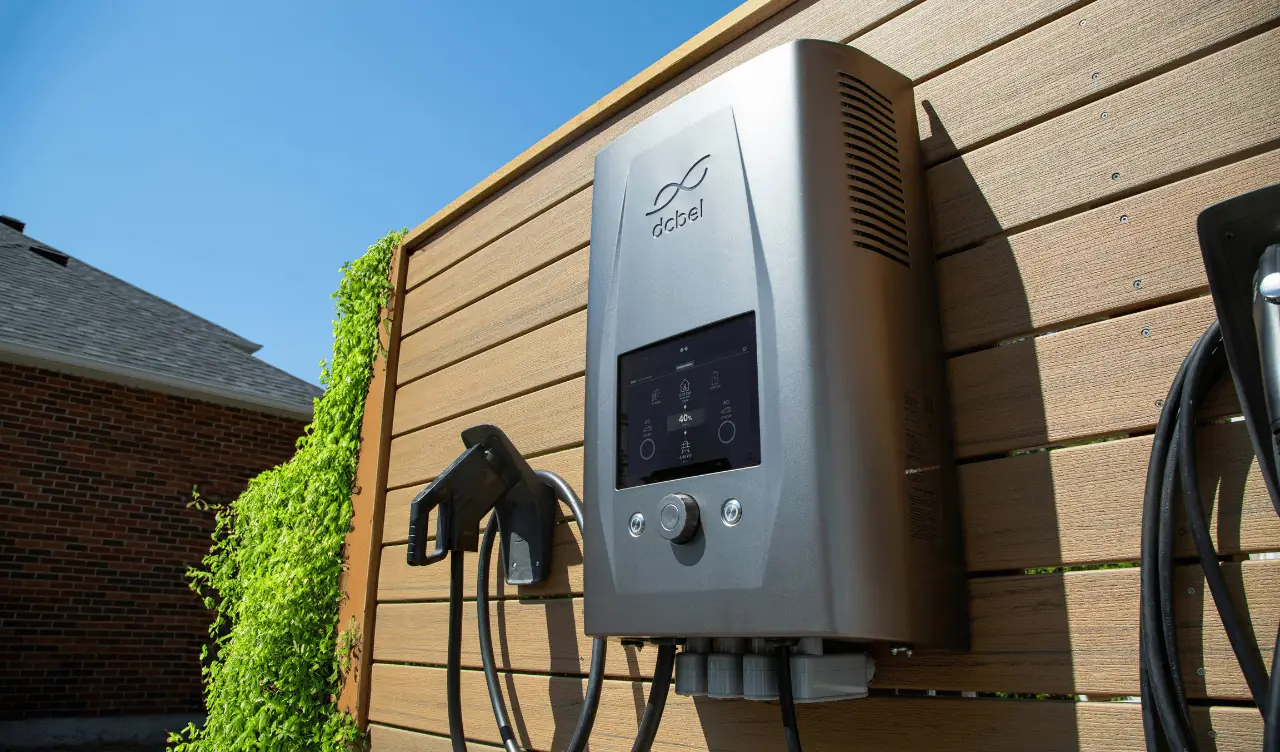
Have you ever looked at a solar system and wondered how all that power actually gets turned into electricity you can use? That is where a solar inverter comes in. It takes the DC power from your solar panels or batteries and converts it into AC power for everyday appliances.
When I look at solar inverters, I care about more than just the wattage. I want to know how much power the unit can handle, what kind of setup it is made for, and whether the controls seem simple enough to use without making the whole system feel complicated.
ECO-WORTHY has several inverter options, from smaller units for off-grid setups to larger all-in-one models for homes and bigger systems. After looking through the range, I picked a few that stood out to me and took a closer look at what each one offers.
The ECO-WORTHY Inverters I Would Consider
Below are the ECO-WORTHY inverter models I would look at when comparing options for different solar setups. They come in different power levels and offer different features, so the right choice depends on how much power the system needs and how it will be used.
1. ECO-WORTHY Liber 18KT Three-Phase Inverter
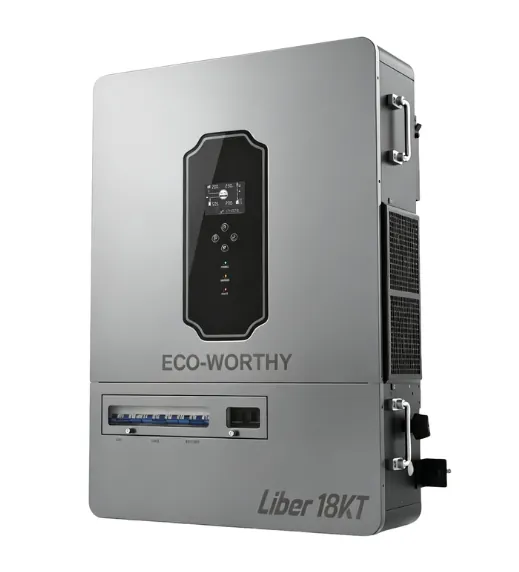
For a much larger solar setup, the ECO-WORTHY Liber 18KT is a completely different type of inverter. It offers 18kW of three-phase output and can handle up to 28.8kW of PV input, so I would look at this more for a large property, workshop, farm, or similar setup rather than a small home system.
The 48V battery system and 360A charging and discharging capacity also give it plenty of room for higher power needs. It includes dual MPPT, Wi-Fi monitoring, and UPS functionality, which are useful features when the inverter is handling a larger system.
What stands out to me is how much more capacity this model offers compared with smaller residential inverters. I would consider it when the power needs are high and the solar setup is more complex. For a smaller system, though, I would stick with a lower-capacity model that better matches the actual power requirements.
2. ECO-WORTHY 3500W Solar Off-grid AIO Inverter
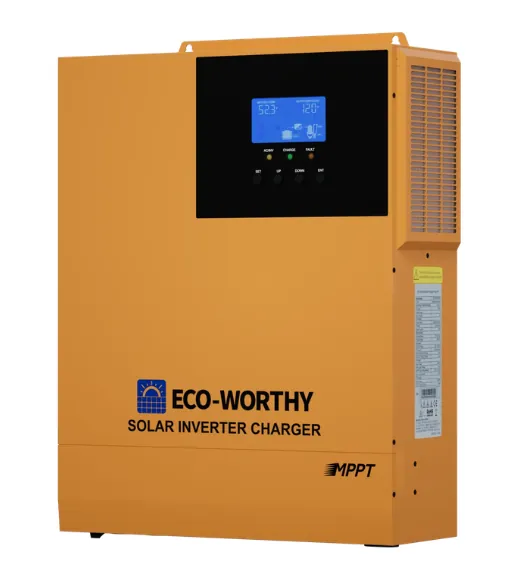
The 3500W all-in-one model is more interesting to me if I want several parts of the system built into one unit. It combines a pure sine wave inverter with an 80A MPPT solar charge controller and battery charger. It also supports 48V batteries and has Wi-Fi monitoring.
The rated output is 3,500W, with a listed peak power of 6,000W. It can also accept up to 4,400W of solar input. I like this setup because it cuts down on the number of separate components I would need to plan around.
The built-in monitoring is another feature I would find useful. Being able to check the system without standing next to the inverter makes more sense for a home or cabin setup. I would still make sure the voltage, battery type, and solar input match my system before choosing it.
3. ECO-WORTHY 2000W Off-Grid Pure Sine Wave Inverter
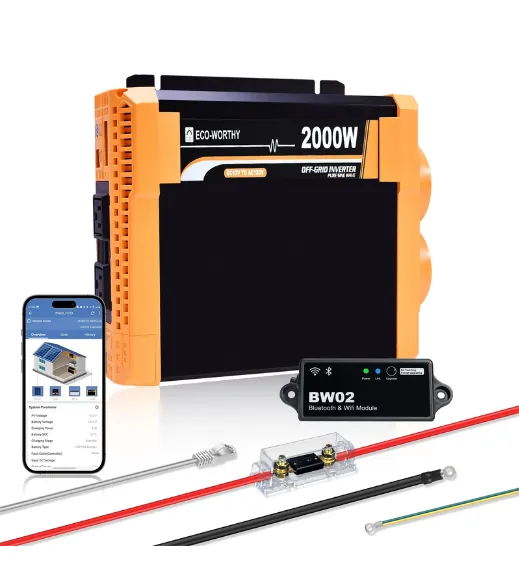
If I were looking for a smaller inverter for a basic off-grid setup, this 2000W model would catch my attention. It works with a 12V battery system and provides pure sine wave power, making it suitable for different household and off-grid devices.
I also like that it includes useful features without making the setup feel too complicated. It has a remote control, USB ports, overload protection, and dual cooling fans. ECO-WORTHY also lists conversion efficiency of up to 96%, which is a detail I would check when comparing different inverters.
For me, this would make sense for a smaller setup where 2,000W is enough for the appliances I plan to run. I would choose it when I want a simple 12V option without moving up to a larger inverter. It is worth checking the total power needs of the system first so the inverter matches what I actually need.
So, Is ECO-WORTHY Worth Looking At?
After looking through the different inverter options, I can see why the brand has choices for a range of solar and backup power setups. Some models are made for smaller systems, while others offer more power and extra functions in one unit.
I also like having options when it comes to battery voltage, output, and the way the inverter handles solar and battery power. These details make it easier to find a model that fits the setup instead of choosing something that is simply bigger.
For me, the main thing would be making sure the inverter matches the rest of the system. If I were setting up a solar system, I would look at the inverter's power rating and features first, then make sure everything works well together. ECO-WORTHY offers several options worth looking through if you are considering an inverter for an off-grid or backup setup.
Related Reading


